
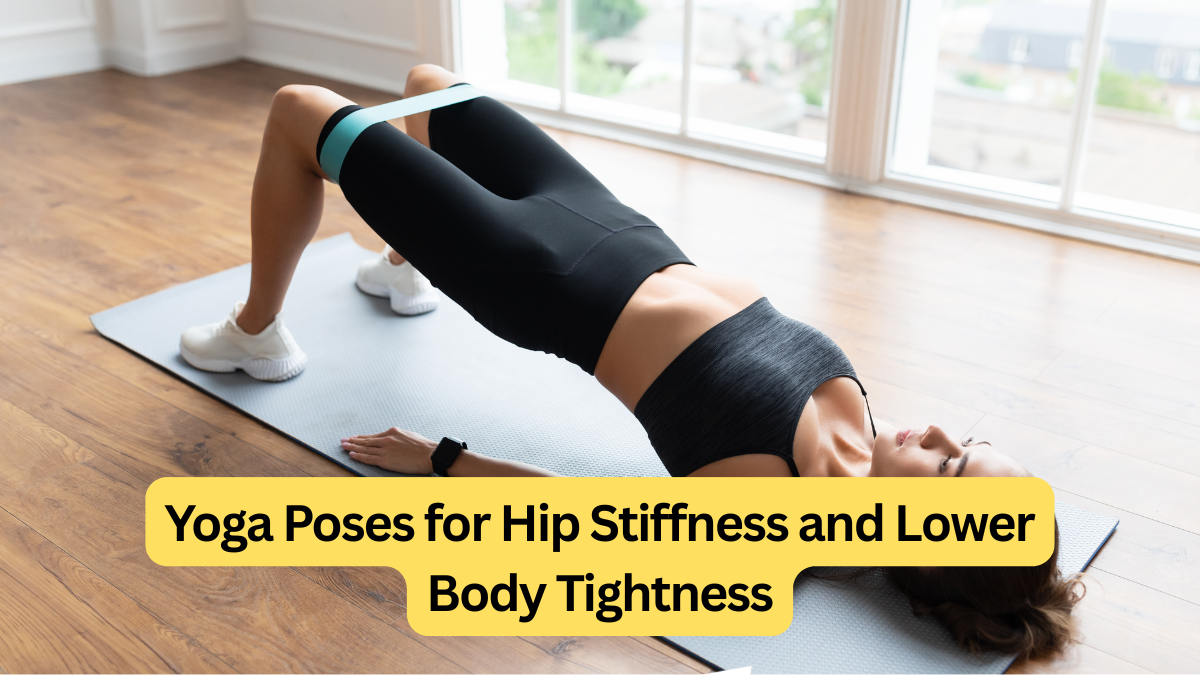
Hip stiffness and lower body tightness have become extremely common in modern lifestyles. Long hours of sitting, lack of movement, poor posture, stress, and even overtraining can cause the hips, thighs, hamstrings, and glutes to feel tight and restricted. Over time, this tightness may lead to lower back pain, poor mobility, discomfort while walking, and reduced athletic performance.
Yoga offers a gentle yet highly effective solution to release stiffness, improve circulation, and restore natural movement patterns in the lower body. This comprehensive guide will help you understand why hip tightness occurs, how yoga helps, and which yoga poses are most effective for relieving hip stiffness and lower body tension.
Understanding Hip Stiffness and Lower Body Tightness
The hips are one of the most important joints in the body. They support walking, sitting, bending, running, and standing. When the hip muscles become tight, they limit movement and create imbalances throughout the body.
Common Causes of Hip and Lower Body Tightness
- Prolonged sitting or desk work
- Lack of regular stretching
- Weak glutes and core muscles
- Overuse from running or cycling
- Emotional stress stored in the hips
- Aging and reduced joint mobility
Tight hips often affect surrounding areas such as the lower back, knees, hamstrings, calves, and even the feet.
How Yoga Helps Relieve Hip Stiffness
Yoga works holistically on the body by combining stretching, strengthening, controlled breathing, and mindful awareness.
Benefits of Yoga for Hip Flexibility
- Improves joint mobility and range of motion
- Releases deep muscle tension
- Enhances blood flow to the lower body
- Reduces lower back and knee strain
- Corrects muscular imbalances
- Promotes relaxation and stress relief
Unlike aggressive workouts, yoga gently opens the hips while strengthening supportive muscles, making it suitable for beginners and advanced practitioners alike.
Best Yoga Poses for Hip Stiffness and Lower Body Tightness
Below are the most effective yoga poses to target tight hips, thighs, hamstrings, and glutes. Each pose should be practiced slowly with mindful breathing.
Table: Yoga Poses for Hip Stiffness and Lower Body Tightness
| Yoga Pose Name | Primary Area Targeted | Key Benefits | Recommended Hold Time |
|---|---|---|---|
| Butterfly Pose | Inner thighs, hips | Improves hip flexibility | 30–60 seconds |
| Garland Pose | Hips, ankles | Opens hip joints | 20–40 seconds |
| Low Lunge | Hip flexors, quads | Releases front hip tension | 30 seconds each side |
| Pigeon Pose | Glutes, hip rotators | Deep hip release | 45–90 seconds |
| Bound Angle Pose | Groin, hips | Reduces stiffness | 1–2 minutes |
| Wide-Leg Forward Bend | Inner thighs, hamstrings | Lengthens lower body | 30–60 seconds |
| Frog Pose | Inner hips, groin | Deep hip opening | 20–60 seconds |
| Seated Forward Bend | Hamstrings, lower back | Improves flexibility | 45–90 seconds |
| Happy Baby Pose | Hips, lower back | Relieves tension | 30–60 seconds |
| Reclining Figure Four | Glutes, hips | Gentle hip stretch | 30 seconds each side |
Detailed Explanation of Yoga Poses
1. Butterfly Pose (Baddha Konasana)
This is one of the best poses for releasing tight inner thighs and hip joints. Sitting upright with soles of the feet together allows the hips to open naturally.
Benefits:
- Improves hip mobility
- Stimulates blood circulation
- Relieves fatigue in the lower body
2. Garland Pose (Malasana)
Garland Pose is a deep squat that helps restore natural hip and ankle mobility.
Benefits:
- Strengthens legs and hips
- Opens the pelvis
- Improves digestion and posture
3. Low Lunge (Anjaneyasana)
This pose targets tight hip flexors caused by excessive sitting.
Benefits:
- Reduces stiffness in front hips
- Strengthens legs
- Improves balance
4. Pigeon Pose (Eka Pada Rajakapotasana)
Pigeon Pose provides a deep stretch to the glutes and hip rotators, areas where stress is commonly stored.
Benefits:
- Releases emotional tension
- Improves hip alignment
- Reduces sciatic discomfort
5. Bound Angle Pose (Supta or Seated Variation)
This pose gently opens the hips and groin without strain.
Benefits:
- Calms the nervous system
- Improves flexibility
- Supports reproductive health
6. Wide-Leg Forward Bend (Prasarita Padottanasana)
This standing pose stretches the hamstrings and inner thighs deeply.
Benefits:
- Enhances circulation
- Relieves lower body stiffness
- Improves spinal flexibility
7. Frog Pose (Mandukasana Variation)
A powerful hip opener that should be practiced carefully.
Benefits:
- Deeply stretches inner hips
- Improves mobility
- Reduces hip joint compression
8. Seated Forward Bend (Paschimottanasana)
This pose stretches the entire back of the body.
Benefits:
- Lengthens hamstrings
- Calms the mind
- Improves posture
9. Happy Baby Pose (Ananda Balasana)
A relaxing pose that gently opens the hips while soothing the lower back.
Benefits:
- Releases tension
- Improves hip alignment
- Reduces stress
10. Reclining Figure Four Pose
A beginner-friendly alternative to deep hip stretches.
Benefits:
- Relieves glute tightness
- Reduces lower back pain
- Improves hip mobility
Best Yoga Routine for Hip Stiffness (10–15 Minutes)
A short daily routine can make a big difference.
- Butterfly Pose – 1 minute
- Low Lunge – 30 seconds each side
- Pigeon Pose – 45 seconds each side
- Wide-Leg Forward Bend – 1 minute
- Happy Baby Pose – 1 minute
Consistency is more important than intensity.
Tips for Practicing Yoga Safely
- Warm up before deep stretches
- Avoid forcing the stretch
- Use props like cushions or blocks
- Breathe slowly and deeply
- Stop if you feel sharp pain
How Often Should You Practice?
For noticeable improvement:
- Beginners: 3–4 times per week
- Intermediate: 4–6 times per week
- Advanced: Daily gentle practice
Even 10 minutes a day can significantly reduce stiffness.
Lifestyle Changes to Support Hip Flexibility
- Take breaks from sitting every 30–60 minutes
- Walk regularly
- Strengthen glutes and core
- Stay hydrated
- Manage stress through breathing or meditation
Conclusion
Hip stiffness and lower body tightness do not have to be permanent problems. With consistent yoga practice, mindful breathing, and simple lifestyle changes, you can regain flexibility, reduce discomfort, and move freely again.
Yoga is not just about stretching—it is about reconnecting with your body, improving balance, and building long-term joint health. Start gently, stay consistent, and let your hips slowly open at their own pace.