
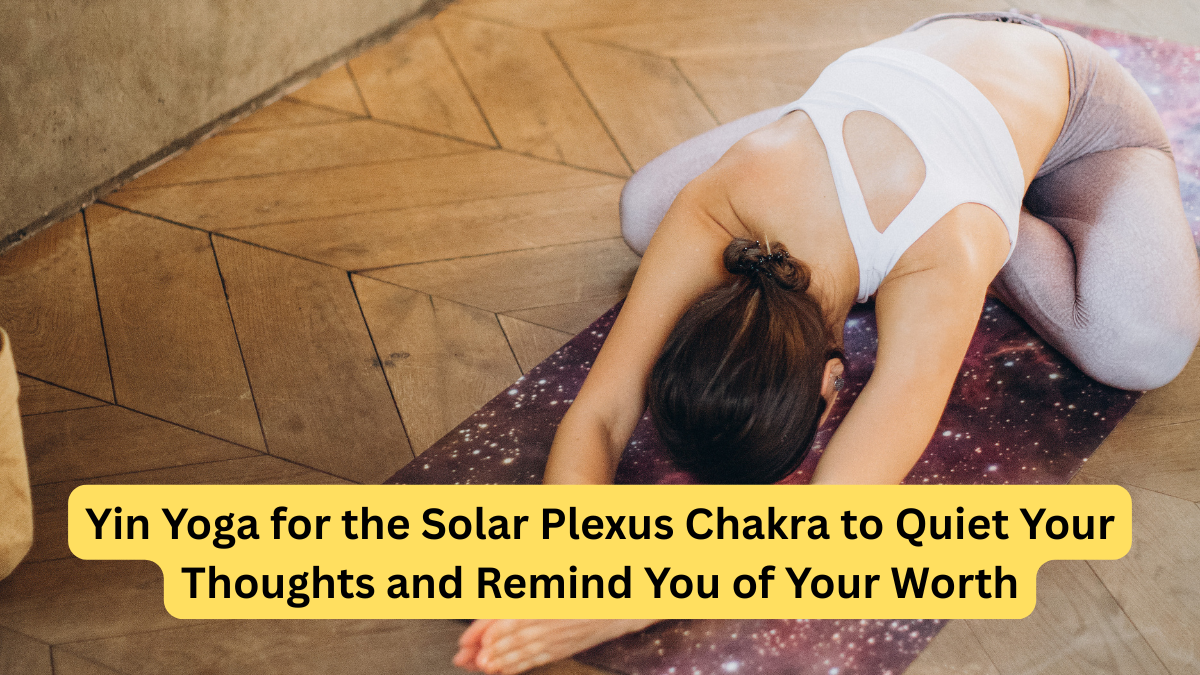
In a world filled with constant noise, comparison, and pressure to perform, many people struggle with self-doubt, overthinking, and a fading sense of personal value. If you often feel mentally restless, emotionally drained, or unsure of your direction, your Solar Plexus Chakra may be out of balance. Yin Yoga offers a gentle yet profoundly transformative way to calm the mind, release stored tension, and reconnect with your inner strength.
This in-depth guide explores how Yin Yoga can support the Solar Plexus Chakra, quiet racing thoughts, and remind you of your inherent worth. You will learn the philosophy behind this practice, the emotional and energetic significance of the Solar Plexus Chakra, and how slow, mindful postures can restore confidence, clarity, and self-trust.
Understanding the Solar Plexus Chakra
The Solar Plexus Chakra, also known as Manipura, is the third primary energy center in the body. It is located in the upper abdomen, just above the navel, near the diaphragm. This chakra is associated with personal power, self-esteem, confidence, and inner authority.
When the Solar Plexus Chakra is balanced, you feel:
- Calm yet motivated
- Confident without arrogance
- Clear in your decisions
- Emotionally stable
- Comfortable expressing your needs
When it is imbalanced, you may experience:
- Overthinking and mental noise
- Low self-worth or excessive self-criticism
- Difficulty making decisions
- Anxiety related to control or failure
- Digestive discomfort and tension in the core

Yin Yoga works directly with the subtle energy body, making it especially effective for restoring balance to this chakra.
Why Yin Yoga Is Ideal for the Solar Plexus Chakra
Yin Yoga is a slow, introspective practice that targets deep connective tissues, joints, and fascia rather than muscles. Poses are held for extended periods—often between two to five minutes—allowing the nervous system to shift into a parasympathetic (rest-and-digest) state.
This slower pace makes Yin Yoga uniquely powerful for Solar Plexus healing because:
- It reduces mental overstimulation
- It encourages surrender rather than control
- It creates space for emotional release
- It cultivates patience, self-acceptance, and trust
Unlike fast-paced yoga styles that activate ambition and effort, Yin Yoga invites you to soften, listen, and receive—qualities essential for healing issues related to self-worth.
The Emotional Connection Between Overthinking and Self-Worth
Overthinking is rarely just a mental habit; it is often rooted in fear and self-doubt. When the Solar Plexus Chakra is weak, the mind constantly seeks reassurance, validation, and control. This creates mental loops that are exhausting and emotionally draining.
Yin Yoga helps interrupt these patterns by:
- Slowing down mental chatter
- Encouraging present-moment awareness
- Releasing stored emotional tension in the abdomen
- Teaching you to stay with discomfort without judgment
As the mind quiets, a deeper sense of self-trust naturally emerges.
How Yin Yoga Reprograms the Nervous System
One of the most profound benefits of Yin Yoga is its ability to calm the nervous system. Long holds combined with steady breathing signal safety to the brain, allowing the body to release stress hormones.
For the Solar Plexus Chakra, this is especially important because chronic stress often manifests as tightness in the stomach, shallow breathing, and digestive imbalance.
Through Yin Yoga:
- The breath deepens naturally
- The abdomen softens
- The mind becomes less reactive
- Inner awareness strengthens
Over time, this practice retrains the body to feel safe without constant mental control.
Yin Yoga and the Language of Self-Acceptance
The Solar Plexus Chakra thrives on healthy self-acceptance rather than external validation. Yin Yoga teaches you to meet yourself exactly as you are, without striving or self-correction.
Each posture becomes a conversation with your inner world:
- Can you stay when it feels uncomfortable?
- Can you soften instead of forcing?
- Can you listen instead of judging?
These lessons gradually dissolve patterns of self-criticism and replace them with compassion and trust.
Key Yin Yoga Principles for Solar Plexus Healing
Before practicing Yin Yoga for this chakra, it helps to understand a few foundational principles:
- Stillness Over Effort
The goal is not to achieve a perfect shape, but to remain present. - Gentle Sensation, Not Pain
Discomfort may arise, but pain is a sign to back off. - Time as the Teacher
Healing unfolds gradually during long holds. - Breath as an Anchor
Slow, natural breathing supports emotional release. - Awareness Without Judgment
Thoughts may arise; observe them without engagement.
Yin Yoga Poses That Support the Solar Plexus Chakra
The following table outlines Yin Yoga poses commonly used to stimulate and balance the Solar Plexus Chakra. These poses gently compress or stretch the abdominal region, encouraging energetic flow and emotional release.
Yin Yoga Poses for the Solar Plexus Chakra
| Yin Yoga Pose | Primary Area Affected | Emotional Benefit | Suggested Hold Time |
|---|---|---|---|
| Supported Melting Heart | Upper abdomen, chest | Releases emotional tension, encourages surrender | 3–5 minutes |
| Sphinx Pose (Yin variation) | Solar plexus, lower ribs | Builds inner strength and confidence | 2–4 minutes |
| Seal Pose (gentle) | Core, digestive organs | Encourages self-trust and mental clarity | 1–3 minutes |
| Reclined Twist | Abdomen, spine | Aids emotional digestion and release | 3–5 minutes |
| Child’s Pose (wide knees) | Belly, hips | Promotes safety and self-soothing | 4–6 minutes |
These poses should be approached slowly and supported with props such as bolsters or blankets for comfort.
The Role of Breath in Quieting the Mind
Breath awareness is a powerful tool in Yin Yoga, especially for calming the Solar Plexus Chakra. Shallow breathing often accompanies anxiety and overthinking, while deep breathing encourages relaxation and clarity.
During practice:
- Inhale gently into the belly
- Allow the abdomen to soften on exhale
- Avoid controlling the breath forcefully
As the breath becomes slower and more natural, mental noise begins to fade, creating space for insight and emotional balance.
Mantras and Inner Dialogue for Solar Plexus Healing
Although Yin Yoga is primarily physical and energetic, mental focus can deepen its effects. Quiet affirmations can help reframe negative self-talk without forcing positivity.
Examples of gentle inner reminders:
- “I trust myself.”
- “I am enough as I am.”
- “I release the need to control.”
- “My worth is not dependent on outcomes.”
These thoughts are not meant to override feelings but to offer reassurance during moments of vulnerability.
How Consistent Practice Builds Lasting Confidence
Confidence rooted in the Solar Plexus Chakra is not loud or aggressive—it is steady, calm, and grounded. Yin Yoga nurtures this form of confidence by teaching patience and self-respect.
With regular practice, you may notice:
- Less reactivity to external opinions
- Greater emotional stability
- Improved decision-making
- Increased self-awareness
- A quieter, more focused mind
These changes often happen subtly, revealing themselves over time rather than all at once.
Emotional Release and the Abdominal Center
The abdomen is a storage area for unprocessed emotions, especially fear, shame, and anger. Yin Yoga postures that gently compress or stretch this area can trigger emotional release.
This may appear as:
- Sudden waves of emotion
- Mental clarity after practice
- A sense of lightness in the body
- Deep relaxation or tiredness
All of these responses are normal and indicate that the body is letting go of stored tension.
Practicing Yin Yoga Without Judgment
One of the most healing aspects of Yin Yoga is learning to observe without judgment. Thoughts will arise—this is natural. The practice is not about stopping thoughts, but about changing your relationship with them.
When thoughts appear:
- Notice them
- Name them softly
- Return attention to the body
This skill gradually transfers into daily life, reducing overthinking and emotional overwhelm.
Creating a Safe Space for Your Practice
To support Solar Plexus healing, your environment matters. Choose a quiet space where you feel safe and undisturbed.
Helpful elements include:
- Soft lighting
- Comfortable props
- Warm temperature
- Minimal distractions
This sense of safety allows the nervous system to relax and the mind to soften more easily.
Integrating Yin Yoga Into Daily Life
You do not need long sessions to experience benefits. Even 15–20 minutes of Yin Yoga can create noticeable shifts when practiced consistently.
Suggestions:
- Practice in the evening to release the day’s stress
- Combine Yin Yoga with journaling or meditation
- Use it during emotionally challenging periods
- Listen to your body rather than following rigid routines
Consistency matters more than intensity.
Rediscovering Your Worth Through Stillness
At its core, Yin Yoga for the Solar Plexus Chakra is not about doing more—it is about allowing yourself to be. In the stillness of each posture, you are reminded that your worth is not earned through productivity, approval, or perfection.
By slowing down, softening, and listening inward, you reconnect with a quiet confidence that has always been there.
This practice gently teaches you:
- You are allowed to rest
- You are allowed to trust yourself
- You are allowed to take up space
- You are already enough
Final Thoughts
Yin Yoga offers a powerful pathway to calm the mind and heal the Solar Plexus Chakra. Through patience, presence, and gentle self-inquiry, it helps dissolve overthinking and reconnect you with your innate sense of worth.
In a culture that encourages constant striving, Yin Yoga reminds you that true strength comes from stillness, self-trust, and inner balance. By returning to this practice regularly, you cultivate a grounded confidence that supports both emotional well-being and personal growth.