
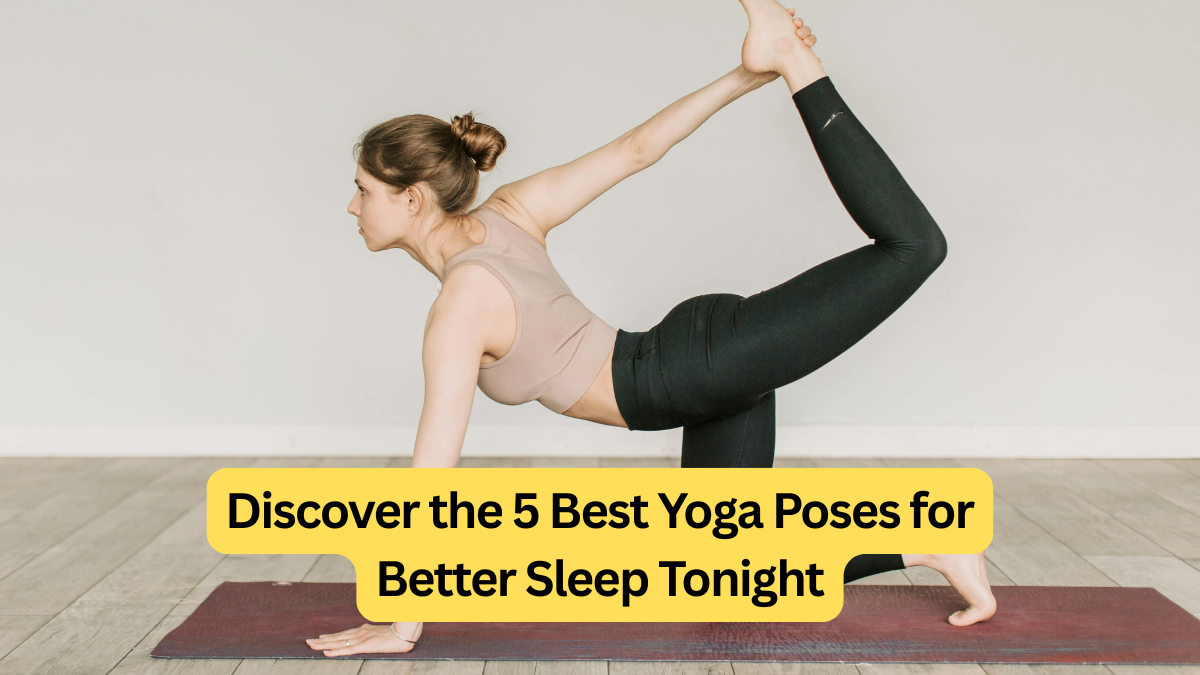
In today’s fast-paced world, quality sleep has become a luxury rather than a routine. Stress, excessive screen time, irregular schedules, and mental fatigue often keep the mind alert long after the body wants to rest. If you find yourself tossing and turning at night, yoga can be a powerful, natural solution.
Yoga is not just about flexibility or fitness—it is a holistic practice that calms the nervous system, slows down racing thoughts, and prepares the body for deep, restorative sleep. The right yoga poses practiced consistently before bedtime can significantly improve sleep quality without medication or complex routines.
In this detailed guide, you will discover the 5 best yoga poses for better sleep tonight, how they work, when to practice them, and how to combine them into a relaxing nighttime ritual.
Why Yoga Helps Improve Sleep Quality
Before diving into specific poses, it’s important to understand how yoga supports better sleep.
Yoga influences sleep in three key ways:
1. Calms the Nervous System

Gentle yoga practices activate the parasympathetic nervous system, also known as the “rest and digest” mode. This helps reduce stress hormones and signals the body that it’s time to relax.
2. Releases Physical Tension
Long hours of sitting, poor posture, and daily activities cause muscle stiffness, especially in the neck, back, hips, and shoulders. Yoga releases this tension, making it easier to fall asleep comfortably.
3. Slows the Mind
Breath-focused movement and mindful awareness reduce mental chatter, anxiety, and overthinking—common reasons for insomnia.

When practiced correctly, yoga becomes a natural sleep aid that improves both sleep duration and sleep depth.
Best Time to Practice Yoga for Sleep
The ideal time to practice sleep-focused yoga is 30 to 60 minutes before bedtime. This allows your body temperature, heart rate, and breathing to gradually slow down.
Important tips:
- Practice in dim lighting
- Avoid intense or fast-paced yoga styles
- Focus on slow movements and deep breathing
- Keep your phone away during practice
Overview: 5 Best Yoga Poses for Better Sleep
| Yoga Pose | Main Benefit | Best For | Duration |
|---|---|---|---|
| Child’s Pose | Deep relaxation & stress relief | Anxiety & mental fatigue | 1–3 minutes |
| Standing Forward Bend | Nervous system calming | Restless mind | 30–60 seconds |
| Legs Up the Wall | Improves circulation & relaxation | Tired legs & insomnia | 3–5 minutes |
| Reclining Bound Angle | Emotional balance | Stress & hormonal tension | 2–4 minutes |
| Corpse Pose | Complete relaxation | Deep sleep preparation | 5–10 minutes |
1. Child’s Pose (Balasana)
Why This Pose Helps You Sleep Better
Child’s Pose is one of the most grounding and comforting yoga poses. It gently stretches the lower back, hips, and thighs while allowing the forehead to rest, which naturally signals the brain to relax.
This pose:
- Reduces mental stress
- Calms anxiety
- Slows breathing
- Relaxes the spine
How to Practice Child’s Pose
- Kneel on the floor and sit back on your heels
- Slowly fold your torso forward
- Rest your forehead on the mat or a pillow
- Extend arms forward or place them beside your body
- Breathe deeply and slowly
How Long to Hold
Stay in the pose for 1 to 3 minutes, focusing on long, gentle breaths.
Sleep Tip
Place a pillow under your chest or forehead for extra comfort if needed.
2. Standing Forward Bend (Uttanasana)
Why This Pose Is Effective for Sleep
Standing Forward Bend encourages blood flow to the head, which has a calming effect on the nervous system. It also releases tension in the hamstrings, spine, and neck—areas that often store stress.
Benefits include:
- Reduced anxiety
- Improved blood circulation
- Relaxation of the neck and shoulders
- Mental clarity before sleep
How to Practice Standing Forward Bend
- Stand with feet hip-width apart
- Slowly hinge forward from the hips
- Let your head and arms hang freely
- Bend knees slightly if needed
- Focus on breathing deeply
How Long to Hold
Hold for 30 to 60 seconds, breathing calmly.
Sleep Tip
Avoid bouncing or forcing the stretch—gentleness is key at night.
3. Legs Up the Wall Pose (Viparita Karani)
Why This Pose Is Ideal Before Bed
This pose is extremely effective for calming the body and mind. By elevating the legs, it improves circulation, reduces leg fatigue, and encourages relaxation.
Key benefits:
- Reduces stress and anxiety
- Eases tired legs and feet
- Slows heart rate
- Promotes deep relaxation
How to Practice Legs Up the Wall
- Sit sideways next to a wall
- Lie down and swing your legs up the wall
- Keep your hips close to the wall
- Rest arms by your sides, palms up
- Close your eyes and breathe deeply
How Long to Hold
Stay in this pose for 3 to 5 minutes.
Sleep Tip
You can place a folded blanket under your hips for added support.
4. Reclining Bound Angle Pose (Supta Baddha Konasana)
Why This Pose Improves Sleep Quality
This gentle heart-opening pose helps release emotional tension and relaxes the pelvic region. It is particularly helpful for people who experience stress-related sleep issues.
Benefits include:
- Emotional balance
- Reduced fatigue
- Relaxed hips and inner thighs
- Improved breathing
How to Practice Reclining Bound Angle Pose
- Lie on your back
- Bring soles of the feet together
- Let knees fall open naturally
- Support knees with pillows if needed
- Place one hand on the chest and one on the belly
How Long to Hold
Hold for 2 to 4 minutes, breathing slowly.
Sleep Tip
This pose pairs well with deep belly breathing for maximum relaxation.
5. Corpse Pose (Savasana)
Why This Is the Most Important Sleep Pose
Corpse Pose is the final and most essential pose for sleep preparation. It allows the body to fully absorb the benefits of your practice and enter a state of deep rest.
Benefits:
- Complete physical relaxation
- Mental calmness
- Lowered heart rate
- Sleep readiness
How to Practice Corpse Pose
- Lie flat on your back
- Let feet fall open naturally
- Rest arms slightly away from the body
- Close your eyes
- Breathe naturally without control
How Long to Hold
Stay in this pose for 5 to 10 minutes.
Sleep Tip
You can transition directly from this pose into bed for uninterrupted relaxation.
Creating a Simple 10-Minute Yoga Routine for Sleep
Here is a simple bedtime sequence:
- Child’s Pose – 2 minutes
- Standing Forward Bend – 1 minute
- Legs Up the Wall – 3 minutes
- Reclining Bound Angle – 2 minutes
- Corpse Pose – 2 minutes
This routine requires no equipment and can be practiced daily.
Additional Tips to Enhance Yoga-Induced Sleep
- Practice in silence or with soft background music
- Avoid caffeine at least 6 hours before bed
- Keep breathing slow and steady
- Be consistent—daily practice gives best results
- Do not rush from one pose to another
Common Mistakes to Avoid
- Practicing intense yoga at night
- Holding poses too aggressively
- Using bright lights during practice
- Skipping relaxation poses
- Checking phone immediately after yoga
How Long Does It Take to See Results?
Many people notice improved sleep within a few days of consistent practice. Long-term benefits usually appear after 2 to 3 weeks, including better sleep patterns and reduced nighttime awakenings.
Final Thoughts
Yoga offers a natural, safe, and effective way to improve sleep without relying on medications or supplements. By practicing these 5 best yoga poses for better sleep, you can create a peaceful transition from a busy day into a restful night.
Consistency is more important than perfection. Even a few minutes of mindful movement and breathing can make a noticeable difference in how quickly you fall asleep and how refreshed you feel in the morning.
Make these poses part of your nightly routine—and experience deeper, calmer, and more refreshing sleep starting tonight.